
Search engines have evolved dramatically, and so has the world of link building. Old methods like mass directory submissions, comment spam, and low-quality guest posts simply do not move the needle anymore. Google’s algorithms have shifted to favor authority, topical relevance, human experience, and trust signals.
If you want to build a long-lasting organic presence, you must follow modern link building strategies designed for sustainable SEO growth—not shortcuts or outdated hacks.
This guide breaks down 8 modern link building strategies that work right now and will remain relevant for years to come.
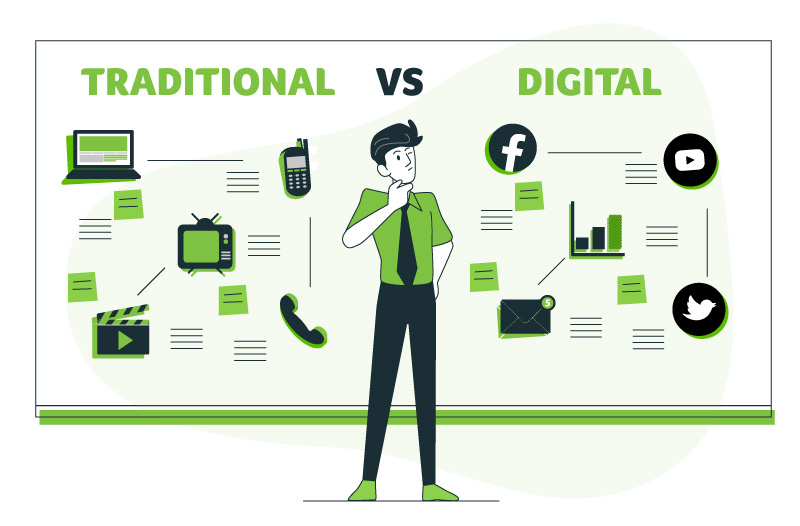
1. Digital PR: The Most Powerful Modern Link Building Strategy
Digital PR is now one of the strongest and safest ways of earning editorial links from high-authority domains.
Unlike traditional outreach, Digital PR focuses on:
- Creating newsworthy stories
- Sharing data-rich insights
- Publishing unique research
- Providing quotes or expert commentary
- Building relationships with journalists
This approach naturally attracts links because publishers want valuable, original content their readers can trust.
Why It Works Now
Google rewards content backed by credibility, evidence, and real expertise. Digital PR reinforces all three.
2. Contextual Relevance Over Domain Authority
One of the biggest shifts in modern link building strategies is the move from chasing high “Domain Rating” to prioritizing contextual relevance.
A DR 30 page in your niche can outperform a DR 90 link from an unrelated site.
Google now evaluates:
- Topic relevance between source and target
- Semantic alignment between both pages
- How naturally the link fits into the content
- Whether the link serves the reader’s intent
This is why niche edits and in-content placements are still effective today—when executed correctly.
To understand how link value differs based on relevance and intent, here’s a helpful breakdown:
👉 https://backlinkcost.com/blog/understanding-backlink-cost-maximize-your-seo-investment/
3. AI-Assisted Link Prospecting for Scalability

Artificial intelligence has transformed how modern marketers find, analyze, and qualify link opportunities.
AI tools help with:
- Prospect filtering
- Competitor backlink analysis
- Automatic gap detection
- Prospect scoring
- Inbox management
- Email personalization
AI does not replace human strategy, but it dramatically speeds up decision-making.
This combination—AI efficiency + human judgment—is the fastest way to scale modern link building strategies.
4. Building Linkable Assets (The Smartest Long-Term Play)
Linkable assets generate backlinks passively over time. Instead of begging for links, you attract them naturally because your content provides exceptional value.
Examples include:
- Data studies
- Industry reports
- Free tools
- Templates
- Infographics
- Comparison guides
- Expert roundups
- Original surveys
These assets become evergreen magnets that continuously pull in new links.
5. Community-Driven Link Building
In 2026 and beyond, Google places high trust in communities where real people interact, discuss, and recommend solutions.
These include:
- Quora
- Niche forums
- Industry groups
- Slack communities
- Facebook groups
High-quality engagement—not spam—is what leads to natural mentions and unlinked citations. Over time, these citations help Google understand your authority, even without direct backlinks.
6. Modern Guest Posting (Quality > Quantity)
Guest posting is still one of the most effective modern link building strategies, but the rules have changed.
Successful guest posts today offer:
- Expert insights
- First-hand experience
- Case studies
- Real data
- Strong brand or author credibility
Low-quality guest posts, AI-spun drafts, and thin content no longer pass SEO value.
For detailed pricing expectations and strategy alignment, review:
👉 https://backlinkcost.com/blog/paid-guest-posting/
7. Brand Mentions and Entity Building
Google now recognizes brands as entities, and entity-based SEO is reshaping link building.
Modern link building relies heavily on:
- Brand citations
- Author bios
- Social profiles
- Consistent Name-Address-Phone (NAP) data
- PR features
- Mentions across platforms
Even unlinked brand mentions can contribute to authority through entity validation.
8. Multimedia & Non-Traditional Backlinks
Modern link building strategies extend far beyond blog posts or traditional articles.
Backlinks now come from:
- YouTube video descriptions
- Podcast show notes
- Infographic attributions
- Slide decks
- Webinars
- Audio transcripts
As user behavior diversifies across platforms, your backlink sources must too.
These diverse formats send strong signals to search engines that your brand is active, authoritative, and trusted across multiple mediums.
Conclusion: Modern Link Building Requires Relevance, Trust & Authority
The era of shortcuts is gone. Modern link building strategies require:
- Quality over quantity
- Relevance over raw metrics
- Authority over manipulative tactics
- Brand trust over keyword stuffing
When implemented correctly, these approaches build real authority, long-term rankings, and stable organic visibility.
By adapting to these trends, you stay ahead of competitors and build a sustainable SEO foundation that evolves with Google’s algorithm—not against it.